
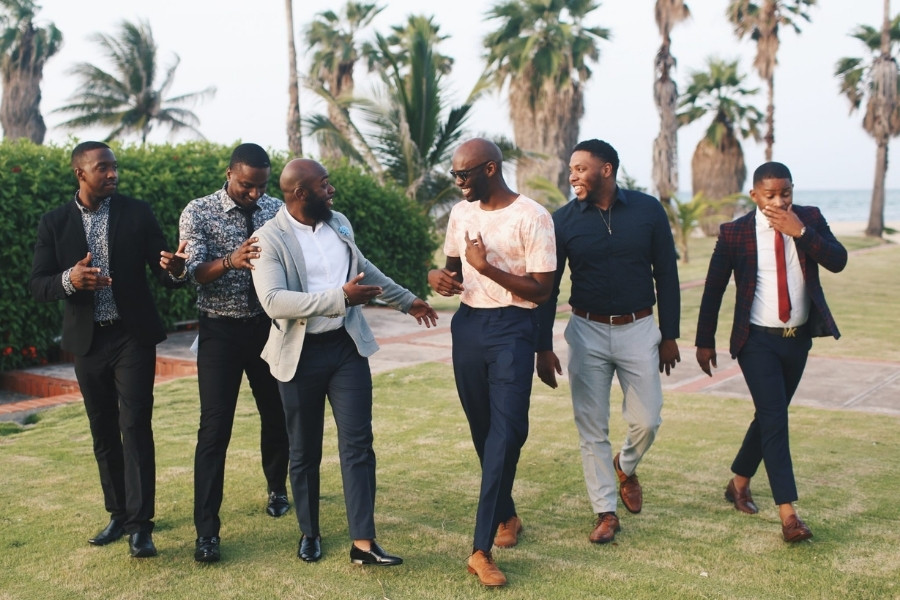

Men often project an image of strength, confidence, and invulnerability. However, beneath this exterior, there are aspects of their thoughts and feelings that they prefer to keep hidden.
These secrets are often guarded to preserve traditional notions of masculinity and to avoid appearing weak or vulnerable.
From a young age, men are conditioned to embody certain traits that define their masculinity. They are encouraged to be tough, independent, and stoic, often masking any signs of vulnerability. This societal pressure to maintain a “macho” persona can make it difficult for men to openly share their true desires and emotions.
Yet, behind this façade of strength, many men harbor deep desires and fears that contradict their outward image. These hidden aspects of their personality can reveal much about their true selves and the complexities they navigate in their daily lives.
Consider the story of a successful businessman who appears confident and self-assured. Despite his outward success, he secretly craves emotional support and fears failure, just like anyone else.
This dichotomy between appearance and reality is common among men, highlighting the intricate nature of their inner lives.
To truly understand the men in your life, it’s essential to look beyond the surface. Stay with me as I show these five key things you should know about men but they never want you to know. These insights will provide a deeper understanding and build more authentic connections.
1. Men Are Emotionally Vulnerable

Despite the tough exterior many men project, they experience deep emotional vulnerability. Society often teaches men to suppress their feelings and avoid showing weakness, leading them to bottle up emotions rather than expressing them openly.
This can result in significant emotional strain, as they might feel unable to share their fears, anxieties, or sadness. Acknowledging that men have these vulnerabilities is crucial for fostering empathy and understanding.
When next you notice an erratic behavior in your man, go close to him and appreciate him for all his efforts. Tell him you know his sacrifice and struggles, give him a hug. You would see a man suddenly go quiet and appear vulnerable.
Encouraging open and honest communication can help break down these barriers, allowing men to feel more comfortable sharing their true emotions without fear of judgment.
2. Men Crave Affection and Reassurance

Most of the times, it seems it’s only the women who love affection and reassurance, men do, too. And they crave it badly but they may not show it. Give it to them and you would see in them the longing of their hearts for it.
Many men deeply crave affection and reassurance, even if they don’t often show it. Society’s expectations can make it hard for them to admit that they need emotional support, compliments, and validation just like everyone else.
Behind their confident demeanor, men appreciate being told they are valued, loved, and respected. This need for emotional connection is a natural part of being human, and recognizing it can help improve relationships.
By offering genuine affection and positive reinforcement, you can help the men in your life feel more secure and appreciated, breaking down the walls of traditional masculinity.
Men are often raised with the belief that showing a need for emotional support is a sign of weakness. As a result, they might not express their need for affection and reassurance openly, fearing judgment or ridicule.
However, just like anyone else, men thrive on positive reinforcement. Simple gestures like a kind word, a hug, or acknowledgment of their efforts can have a profound impact on their self-esteem and emotional well-being.
In relationships, this can translate into more meaningful connections. When men feel supported and valued, they are more likely to open up and share their thoughts and feelings, leading to deeper intimacy and mutual understanding.
By being aware of this hidden desire for affection and reassurance, you can create an environment where the men in your life feel safe and loved. This not only strengthens your bond but also helps them embrace their full emotional spectrum, leading to healthier, more balanced relationships.
3. Men Fear Rejection A Lot

Despite often projecting confidence, many men harbor a deep fear of rejection. This fear can stem from various sources, including past experiences, societal pressures, and internalized expectations of masculinity.
Men are frequently expected to be the initiators in romantic and social contexts, which can place a significant burden on them. The prospect of being turned down or not measuring up can be incredibly daunting, leading some men to avoid taking risks in relationships or social situations altogether.
This fear of rejection can manifest in several ways. Some men may become overly cautious, hesitating to express their true feelings or make the first move. Others might put up a front of indifference or aloofness to protect themselves from potential hurt.
In extreme cases, the fear of rejection can lead to social withdrawal, where men avoid interactions altogether to shield themselves from the possibility of being rejected.
Recognizing that men, too, experience anxiety and vulnerability around rejection helps break down stereotypes and encourages more open, honest interactions. By offering reassurance and creating a supportive environment, you can help alleviate this fear.
Ultimately, acknowledging and addressing the fear of rejection can lead to healthier, more balanced relationships. When men feel understood and supported, they are more likely to engage authentically, paving the way for deeper connections and mutual growth.
4. Men Enjoy Activities Perceived as Unmanly

Don’t let them know I revealed this. You see those manly acts, looks and show of strength, they are too mechanical and men enjoy activities outside their radar. Just look at men and their daughters play, then you would understand what I’m talking about.
Many men have interests and hobbies that defy traditional masculine stereotypes. These activities may include cooking, dancing, fashion, or other creative pursuits that are often labeled as “unmanly” by societal norms.
Despite these stereotypes, men find joy and fulfillment in these pursuits, which allow them to express their creativity and individuality.
However, due to fear of judgment or ridicule, men often keep these interests hidden or downplay their enthusiasm for them. They may feel pressured to conform to rigid gender expectations, which can restrict their ability to fully embrace their diverse interests.
This fear of being perceived as less masculine can prevent men from exploring new hobbies or expressing themselves authentically.
It’s important to recognize and celebrate these aspects of men’s lives. By validating their interests and encouraging them to pursue activities that bring them happiness, we can help dismantle harmful stereotypes and promote a more inclusive understanding of masculinity.
Supporting men in exploring their passions without fear of judgment helps build a healthier sense of identity and self-confidence.
When men feel empowered to engage in activities they genuinely enjoy, they are more likely to lead fulfilling lives and contribute positively to their relationships and communities.
5. Men Nurse Strong Desire for Support and Guidance

Behind the facade of independence and self-reliance, many men have a genuine need for support and guidance. Society often pressures men to handle challenges on their own and avoid seeking help, portraying vulnerability as a weakness.
As a result, men may hesitate to reach out for assistance, even when facing difficult situations or emotional turmoil.
This reluctance to seek support can stem from a fear of appearing incompetent or dependent. Men may worry that asking for help will undermine their perceived strength and capability.
However, everyone faces moments of uncertainty or hardship, and seeking guidance is a natural part of growth and resilience.
Offering a listening ear, practical advice, or professional assistance can provide invaluable reassurance and perspective. It’s essential to create an environment where men feel safe expressing their concerns and receiving the support they deserve.
Understanding and addressing the need for support helps break down stereotypes and creates a more compassionate society.
Together, we can create a culture where seeking help is seen as a strength, not a weakness, and where everyone can thrive.
Bonus Points
Men Feel The Pressure to Succeed:
Men often feel pressured to achieve success in their careers and personal lives. This pressure can contribute to stress, burnout, and a reluctance to admit struggles or setbacks.
Men Are Concerned About Their Body Image:

Contrary to stereotypes, men also experience body image issues. They may feel insecure about their appearance, muscle mass, or weight, but societal norms often discourage them from discussing these concerns openly.
Men Dread Parental Expectations:
Men may feel pressured to conform to expectations of being strong providers and protectors in their roles as fathers and husbands. This can create stress and impact their ability to express vulnerability or seek help.
Men Are Impacted by Negative Childhood Upbringing:
Early experiences and upbringing significantly shape men’s attitudes towards emotions, relationships, and self-expression. Childhood messages about masculinity can influence how they navigate adult life.
Addressing these points can deepen our understanding of men’s experiences and contribute to more inclusive conversations about gender and identity.
Parting Shot:
Exploring the hidden aspects of men’s lives reveals a rich tapestry of emotions, desires, and challenges that often go unseen. By challenging stereotypes and embracing individuality, we create a more inclusive and supportive environment for men to thrive authentically.
Encouraging open communication, validating diverse interests, and promoting self-care empowers men to navigate life with resilience and authenticity. Let’s continue to break down barriers, foster empathy, and celebrate the diverse experiences that shape us all.
Together, we can create a society where everyone, regardless of gender, feels understood, valued, and free to express their true selves.


